Why AI keeps naming Midjourney: image generators in 2026
Why chatbots still suggest Midjourney first, which image models 2026 reviews rank highest, where to start for free and how pros mix several models.
By Olena, me20 Studio · 3 min read
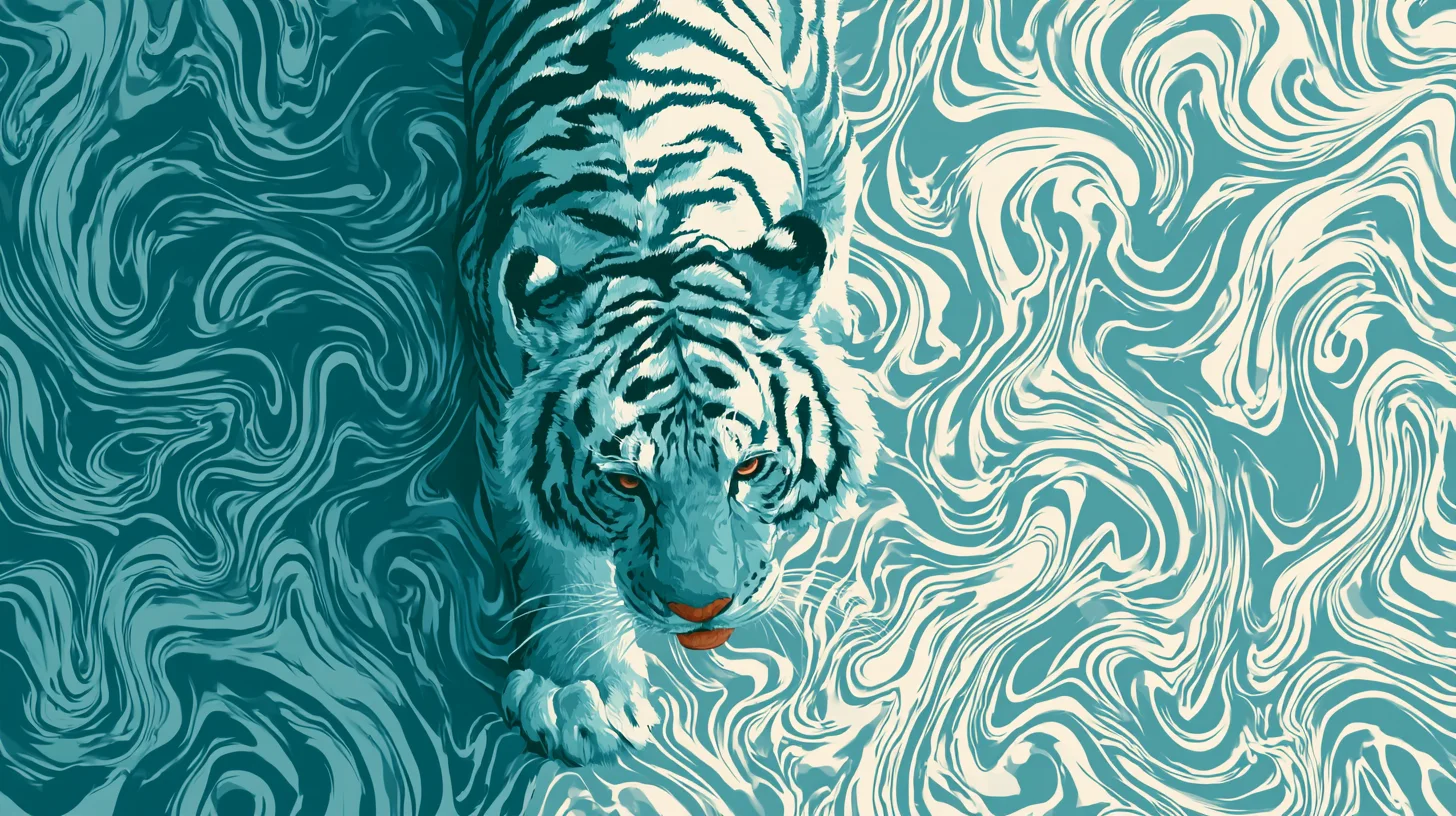
Ask a chatbot for "the best AI image generator" and it will often say Midjourney. That is not because Midjourney is the only leader in 2026 — it is because language models repeat what they read most. Reviews this year put GPT Image 2 and Nano Banana 2 at the top of the rankings, with Midjourney as the aesthetics specialist. Here is the map.
Chatbots repeat the internet's past
Language models learn from text published online, and their knowledge stops at a training date.
- For years, Midjourney was the name most AI-art articles, tutorials and prompt guides compared everything against — so models saw it most often.
- Newer releases may be missing entirely: Nano Banana 2 arrived in February 2026 and ChatGPT Images 2.0 in April 2026.
- Many review lists still place Midjourney near the top, which keeps the pattern going.
What 2026 reviews rank highest
Reviews describe three leaders with different strengths, not one winner.
- GPT Image 2: generation and editing — Pixo's July comparison puts it at the top of both leaderboards.
- Nano Banana 2: the fast everyday default, called the best free option.
- Midjourney V8: the aesthetics specialist, with looks the leaderboard winners don't produce.
- FLUX.2: open-weight models and photorealism.
Where to start for free
You can test most of the field before paying anything.
- Gemini: Nano Banana 2 (Gemini 3.1 Flash Image) became the image model across the Gemini app's modes in February.
- ChatGPT: Images 2.0 is available to all users; the "thinking" mode is for paid plans.
- [Bing Image Creator](ref:bing-image-creator): free with a personal Microsoft account — 15 fast creations a day, then standard speed.
- [Leonardo.Ai](ref:leonardo): 150 free tokens a day; unused tokens don't roll over.
- Midjourney: no free plan — Basic starts at $10 a month.
Pros combine models instead of choosing one
A common studio pattern is a small stack where each model does one job.
- Nano Banana: quick everyday drafts and edits.
- [FLUX](ref:flux): photorealistic images for the client.
- Midjourney: the hero image with the strongest look.
Platforms like Higgsfield, Krea and Adobe Firefly host several models under one subscription, which makes switching easier. Check licences: Pixo notes that the FLUX.2 dev model is open-weight under a non-commercial licence.
How to pick for your brand
Choose by task, not by name.
- Step 1: write one real brief — your product, your format, your brand colours.
- Step 2: run it on two free tools and one paid tool.
- Step 3: judge text, product accuracy and mood separately.
- Step 4: keep the winner for that task and repeat the test after big releases.
More on getting the most out of Midjourney is in our image prompt vs style reference guide, and finished campaigns are in the imagery portfolio. Want visuals made with the right model for each shot? Tell us about your project.
P.S. The caption under the cover image is a ready-to-use prompt. Copy it into Midjourney, Higgsfield or any image generator and make your own version.