Pinterest AI rules from 12 November: what brands must check
From 12 November 2026 Pinterest treats AI images that misrepresent a product as a scam, and GenAI misuse can cost an account. What brands must check.
By Olena, me20 Studio · 3 min read
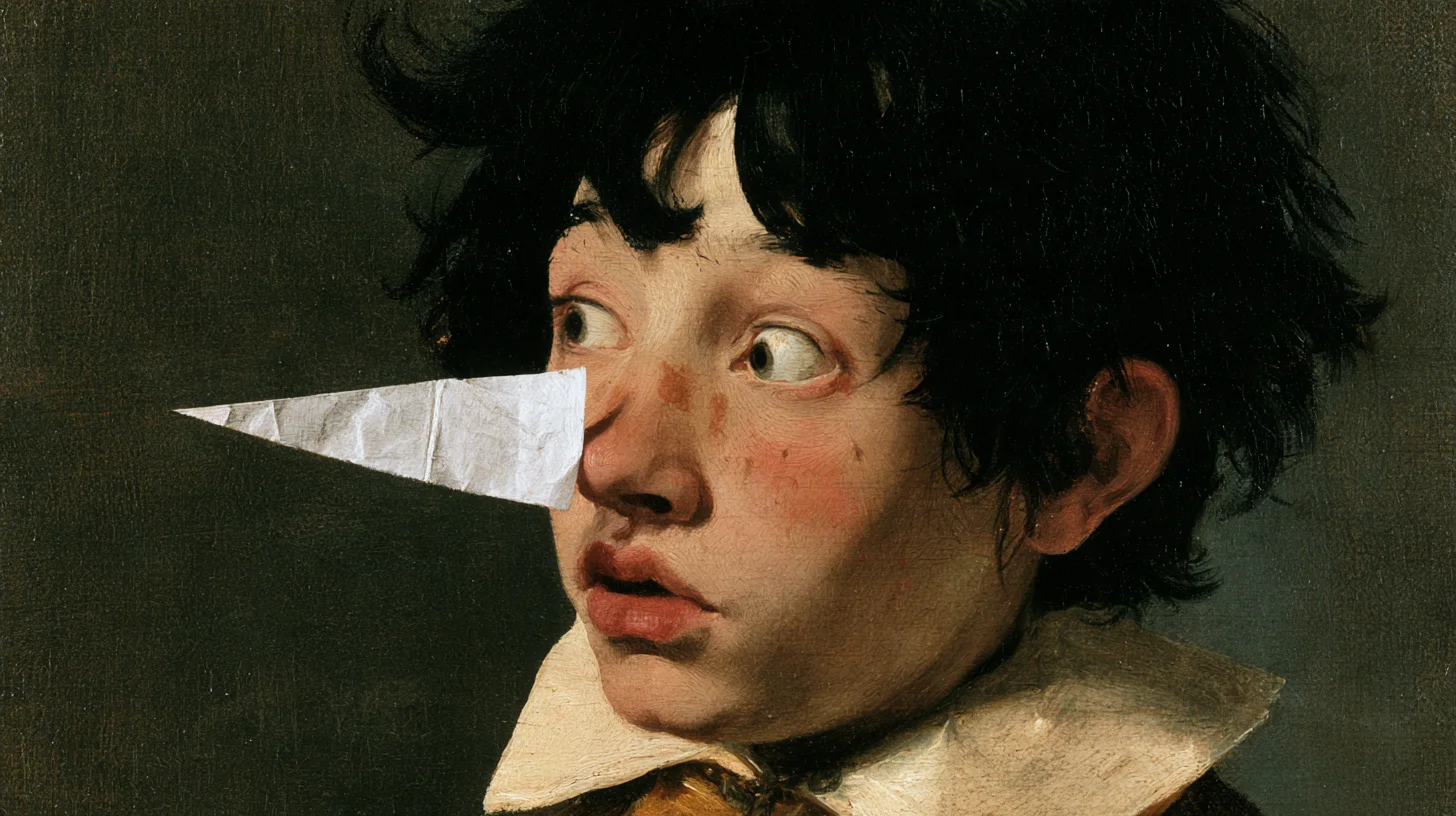
Pinterest's updated Community Guidelines, GenAI Acceptable Use Guidelines and Advertising Guidelines take effect on 12 November 2026. The headline for brands: AI-generated or manipulated images that misrepresent how a product looks or works are now listed as a scam, and misusing Pinterest's own AI tools can cost you those features or the whole account.
What changes on Pinterest on 12 November?
Three of Pinterest's policy pages now carry the same banner: the update is "effective November 12, 2026". Pinterest has published preview versions of the new texts, so the wording is already public.
- Community Guidelines get a new section, "Scams, deceptive goods, and practices".
- GenAI Acceptable Use Guidelines add account penalties.
- Advertising Guidelines are rewritten too; trade press reports that advertisers were emailed about it in September.
Pinterest's general rule stays the same: its policies apply to all content, "including synthetically generated content".
AI product images that mislead are now a named scam
The new scams section lists "synthetically generated or manipulated media used to misrepresent the appearance, efficacy, or nature of a product". In the same list: fictitious products, deceptive offers and giveaways, and tools or templates made to "scale scams". Pinterest adds that the rules apply even when the deal is finished off Pinterest.
The rule does not ban AI visuals. An AI-built kitchen behind a real mug is fine; an AI mug that looks glossier, bigger or a different colour than the one you ship is the problem.
Spam: deceptive and repetitive Pins
The spam section gains a new line: "Do not create Pins that cause deception or otherwise trick Pinners into engaging." The money rule now covers sharing as well: "Don't create, save, or distribute content that is repetitive, deceptive, or irrelevant in an attempt to make money." The preview also asks that a Pin's link leads where the Pin promises.
Pinterest's own AI tools come with penalties
The updated GenAI Acceptable Use Guidelines, which cover Pinterest's generative AI features, now spell out "account enforcement, such as loss of access to GenAI features, or account termination or suspension". They also say Pinterest's "human agents may review user content (including inputs and outputs)".
A quick check before 12 November
- Product = real product. Colour, size, finish and packaging must match what you sell; see our guide to keeping true product colour.
- AI builds the world, not the result. Keep AI for settings and mood, as in lifestyle vs packshot; no generated "after" photos for beauty, fitness or cleaning claims.
- Fewer, better Pins. Vary the idea, not just the background.
- Honest links. The Pin's product is the product on the landing page.
- Keep AI metadata. Don't strip the IPTC AI tag from exports (marketplace rules).
We make AI product scenes around real products — see the imagery portfolio. Want Pinterest visuals that are both striking and accurate? Tell us about your project.
P.S. The caption under the cover image is a ready-to-use prompt. Copy it into Midjourney, Higgsfield or any image generator and make your own version.